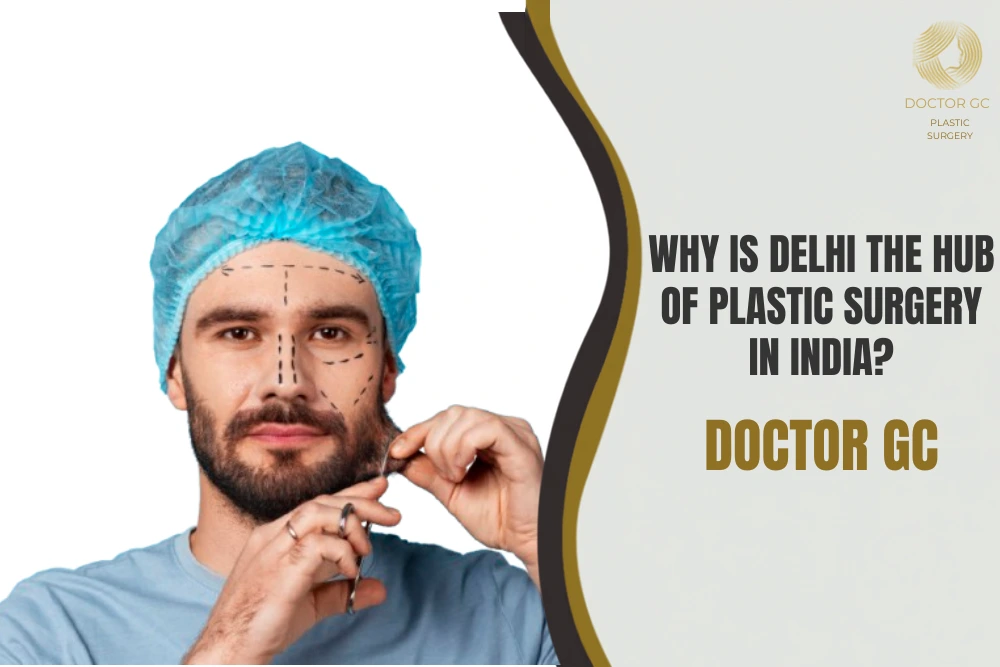
If you’ve ever searched for cosmetic or reconstructive surgery options in India, chances are Delhi kept popping up in your results — and that’s not a coincidence. Over the last two decades, the capital has quietly become the country’s biggest draw for anyone considering a surgical transformation, whether that’s a nose job, a tummy tuck, or reconstructive work after an accident. Patients don’t just come from Noida or Gurugram anymore — they’re flying in from Bihar, the Northeast, the Gulf, and even Europe.
So what’s actually behind this shift? Is it just marketing, or is there something real going on? Let’s break down why Delhi has earned its reputation, and what that means if you’re weighing your own options.
A Concentration of Skilled Surgeons
The single biggest reason patients trust Delhi is simple: this is where a large share of India’s most experienced plastic surgeons choose to practice. Training in plastic surgery is demanding — years of residency, hands-on exposure to trauma cases, and constant upskilling in newer techniques. Delhi’s hospitals and teaching institutions have historically produced and attracted this talent pool, and many surgeons who train here go on to set up practice in the city rather than relocating elsewhere.
This matters more than people realize. A rhinoplasty that looks natural on one face and looks “done” on another usually comes down to the surgeon’s eye and hands, not the clinic’s decor. When you’re researching a plastic surgeon in Delhi, you’re generally choosing from a genuinely deep bench of specialists, not a handful of names.
Advanced Infrastructure and Technology
Cosmetic and reconstructive surgery has changed a lot in the last ten years. Vaser liposuction, fat-grafting techniques, 3D imaging for rhinoplasty planning, and minimally invasive scar-reduction methods all require investment in equipment — and that investment tends to cluster where patient volume justifies it. Delhi’s private hospitals and dedicated cosmetic surgery centers have been early adopters of this technology, which is one more reason the city keeps pulling ahead of smaller markets.
Good infrastructure also means better safety margins. Accredited operation theatres, proper anesthesia protocols, and post-op monitoring aren’t glamorous topics, but they’re exactly what separates a smooth recovery from a complicated one.
Delhi as a Medical Tourism Magnet
It’s not just Indian patients. Delhi has become a genuine medical tourism hub for cosmetic procedures, drawing patients from the Middle East, Africa, and neighboring South Asian countries. Direct international flight connectivity, comparatively affordable pricing against Western countries, and English-speaking medical staff all make the city an easy choice for someone flying in for a procedure and a short recovery stay.
This international patient flow indirectly benefits local patients too — clinics that treat a global clientele tend to maintain higher documentation, hygiene, and communication standards across the board.
Variety of Procedures Under One Roof
Another practical reason people gravitate toward Delhi is choice. Rather than traveling between cities for different specialties, patients can usually find rhinoplasty, gynecomastia surgery, liposuction, breast surgery, and reconstructive procedures all offered within the same clinical ecosystem. That means continuity of care — the same surgeon or team can handle a primary procedure and any touch-ups later, without the patient starting from scratch with a new practitioner.
Trust Built Over Years: The Role of Established Surgeons
Reputation in this field is earned slowly and lost quickly, which is why word-of-mouth still carries enormous weight in Delhi’s cosmetic surgery scene. Surgeons who’ve spent years building consistent, well-documented results tend to become the default recommendation among patients and even other doctors.
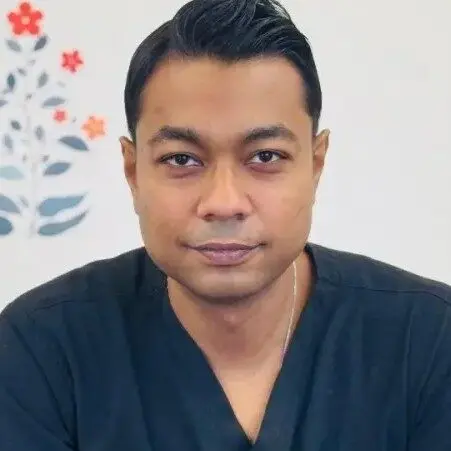
Dr. Gautam Chaudhury is a good example of this pattern. Practicing as a plastic surgeon in South Delhi, Dr. Chaudhury has built his practice around exactly the qualities patients say they’re looking for: technical precision, honest pre-surgery consultations, and a focus on natural-looking outcomes rather than an “assembly line” approach to cosmetic procedures. For anyone comparing a plastic surgeon in Delhi, the questions worth asking are the same ones that separate good outcomes from disappointing ones — how many similar cases has this surgeon handled, what does their revision rate look like, and are they upfront about what surgery can and can’t achieve for your specific anatomy.
Services Offered by Dr. Gautam Chaudhury
Dr. Chaudhury’s practice covers a wide range of cosmetic and reconstructive procedures, including:
- Rhinoplasty — primary, revision, and ethnic rhinoplasty, including correction of crooked or deviated noses
- Gynecomastia surgery — for all grades of male chest enlargement, using techniques suited to the patient’s body type
- Liposuction — including power-assisted and VASER liposuction for targeted fat reduction
- Body contouring — tummy tuck surgery and post-weight-loss body sculpting
- Breast surgery — augmentation, reduction, and reconstruction
- Facial rejuvenation — including facelifts and non-surgical anti-aging treatments
Patients researching the best rhinoplasty surgery in Delhi often start with a consultation to understand realistic outcomes based on their nasal structure and skin type — something Dr. Chaudhury’s clinic emphasizes before any procedure is scheduled.
What This Means If You’re Considering Surgery in Delhi
None of this means every clinic in the city is equally good — Delhi’s size also means there’s a wide spread in quality, and patients still need to do their homework. But the underlying reasons the city built its reputation are real: a dense pool of qualified surgeons, modern facilities, competitive pricing relative to international markets, and a genuine ecosystem of specialists who’ve refined their craft over years of practice.
If you’re comparing options, the smartest first step is usually the same regardless of procedure: book a consultation, ask direct questions about the surgeon’s experience with your specific concern, and look at real before-and-after cases rather than stock photography.
Frequently Asked Questions
1. Why do so many patients travel to Delhi specifically for plastic surgery?
Delhi offers a rare combination of experienced surgeons, advanced surgical technology, and competitive pricing compared to Western countries, making it a practical choice for both domestic and international patients.
2. Is it safe to get plastic surgery done in Delhi?
Yes, provided you choose an accredited hospital or clinic with a qualified, board-certified plastic surgeon. Always verify credentials and ask about the facility’s safety protocols before proceeding.
3. How do I choose the right plastic surgeon in Delhi?
Look at the surgeon’s experience with your specific procedure, ask to see genuine before-and-after results, read patient reviews, and pay attention to how clearly they explain risks and realistic outcomes during your consultation.
4. What makes rhinoplasty results different between surgeons?
Rhinoplasty outcomes depend heavily on the surgeon’s technique, aesthetic judgment, and experience with your specific nasal structure — which is why researching a surgeon’s rhinoplasty-specific portfolio matters more than general reviews.
5. Does Dr. Gautam Chaudhury offer consultations before surgery?
Yes. Every procedure typically begins with a detailed consultation to assess the patient’s anatomy, discuss expectations, and outline a personalized surgical plan.
6. How long is the recovery period after plastic surgery in Delhi?
Recovery timelines vary by procedure — rhinoplasty typically requires 1–2 weeks of visible downtime, while liposuction and body contouring may need a few weeks longer. Your surgeon will give you a specific timeline during consultation.
Dr. Gautam Chaudhury is a practicing cosmetic and reconstructive surgeon in Delhi, specializing in rhinoplasty, gynecomastia surgery, liposuction, and reconstructive procedures. With years of hands-on surgical experience, he focuses on natural, patient-specific outcomes over one-size-fits-all techniques.