Booking your first plastic surgery consultation can feel like a big step. You’ve probably got a list of questions running through your head, and maybe a little nervousness too. That’s completely normal.
The good news? A consultation isn’t a commitment. It’s a conversation. Think of it as the first real chance to sit down with a surgeon, talk through your goals, and figure out if this is the right path for you.
Here’s a walkthrough of what actually happens during a plastic surgery consultation, so you can walk in prepared and walk out with clarity.
Why the Consultation Matters So Much?
This first meeting sets the tone for everything that follows. It’s where your surgeon gets to understand your concerns, your medical history, and what you’re hoping to achieve. It’s also where you get to size up the surgeon — their approach, their communication style, and whether you feel comfortable trusting them with your care.
If you’re still narrowing down who to see, it helps to start with the Best Cosmetic Surgeon in Delhi so you’re consulting with someone who has the right experience and track record. At DoctorGC Dr Gautam Chaudhury brings years of hands-on surgical experience to every consultation, making sure your first meeting feels unhurried and genuinely informative rather than sales-driven.
What Happens Before the Consultation
Most clinics will ask you to fill out a basic health history form before your visit. This usually covers:
- Any past surgeries or major illnesses
- Current medications and supplements
- Allergies
- Smoking or drinking habits
- Family medical history
Some clinics send this digitally, others hand it to you at the front desk. Either way, filling it out honestly matters more than people realize. Surgeons need the full picture to plan safely.
What Happens During the Consultation
1. A Conversation About Your Goals
The surgeon will ask what’s bothering you and what result you’re hoping for. This is your moment to be specific. Vague answers lead to vague plans, so it helps to describe exactly what you’d like changed, whether that’s the shape of your nose, the contour of your abdomen, or something else entirely.
2. A Physical Examination
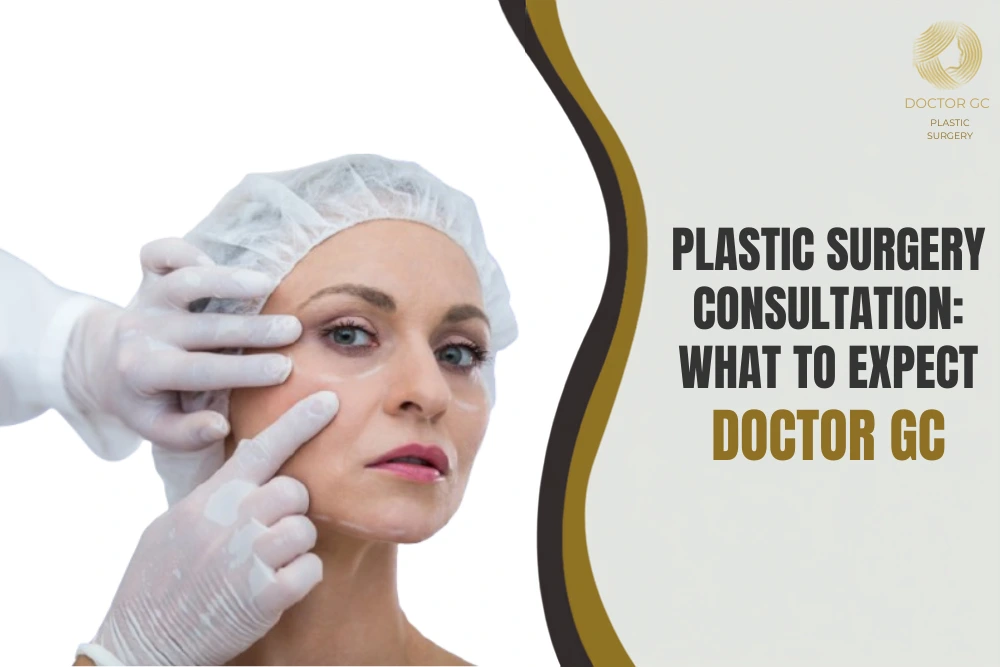
Depending on the procedure, the surgeon will examine the relevant area. For a nose job, they’ll look at your facial structure, skin thickness, and breathing. For a tummy tuck, they’ll assess skin laxity, muscle separation, and scarring from any past surgeries. This isn’t just a formality. It directly shapes what’s realistic for you.
3. Medical History Review
Expect questions about your overall health, past anesthesia experiences, and any conditions that could affect healing. Be upfront here. Surgeons aren’t trying to judge you; they’re trying to keep you safe.
4. Discussion of Options
A good surgeon won’t just tell you what you want to hear. They’ll walk you through the options available, along with the pros, cons, and realistic outcomes of each. If you’re exploring nose reshaping, for instance, this is a good time to ask about Rhinoplasty Surgery in Delhi and how it’s typically approached for your specific concerns.
5. Photos and Imaging
Many clinics take before photos during the consultation, and some use imaging software to simulate potential results. This isn’t about promising an exact outcome, but it does help set realistic expectations.
6. Costs, Recovery, and Logistics
You’ll typically get a breakdown of the procedure cost, anesthesia fees, and any facility charges. This is also when recovery timelines get discussed, including how much downtime to expect and when you can get back to work or exercise.
Questions Worth Asking
Don’t leave the room without getting clarity on these:
- What are your qualifications and how many times have you performed this procedure?
- What results can I realistically expect?
- What are the risks specific to my case?
- What does recovery actually look like, week by week?
- Where will the surgery take place, and is it accredited?
- What happens if I need a follow-up correction?
Writing these down before your appointment helps, since nerves have a way of making people forget half their questions once they’re in the room.
How to Prepare Beforehand
- Make a list of your goals and concerns, ranked by priority
- Bring a list of current medications and supplements
- Note down any past surgeries, even minor ones
- Avoid blood thinners like aspirin for a couple of weeks prior, if your doctor advises it
- Come with realistic expectations rather than a specific celebrity photo
After the Consultation
You’re not obligated to book anything on the spot. Take the information home, sit with it, and if needed, get a second opinion. A trustworthy surgeon will never pressure you into deciding immediately.
If your consultation covered body contouring specifically, you might also want to look into Tummy Tuck Surgery in Delhi to understand the procedure in more depth before making your decision.
Final Thoughts
A plastic surgery consultation is really about information and trust. It’s your chance to ask hard questions, get honest answers, and decide whether a particular surgeon and procedure are right for you. Walking in prepared, with your history sorted and your questions written down, makes the whole process smoother and a lot less overwhelming.
If you’re in Delhi and looking for a consultation that prioritizes your comfort and long-term results, Dr Gautam Chaudhury at DoctorGC is a name worth putting on your list.
FAQs
Q: How long does a plastic surgery consultation usually take?
A: Most consultations run between 30 to 60 minutes, depending on the complexity of the procedure being discussed.
Q: Do I need to pay for a consultation?
A: This varies by clinic. Some offer free initial consultations, while others charge a nominal fee that may be adjusted against the final procedure cost.
Q: Can I bring someone with me to the consultation?
A: Yes, most clinics welcome you bringing a family member or friend for support and a second set of ears.
Q: Will I get a final price during the first consultation?
A: You’ll usually get a detailed estimate, though the final price may depend on additional factors identified during pre-surgical evaluation.

Medically reviewed by
Dr. Gautam Chaudhury
MBBS • MS (General Surgery) • M.CH (Plastic Surgery)
16 yrs in practice
IAPS member
Delhi-based practice